
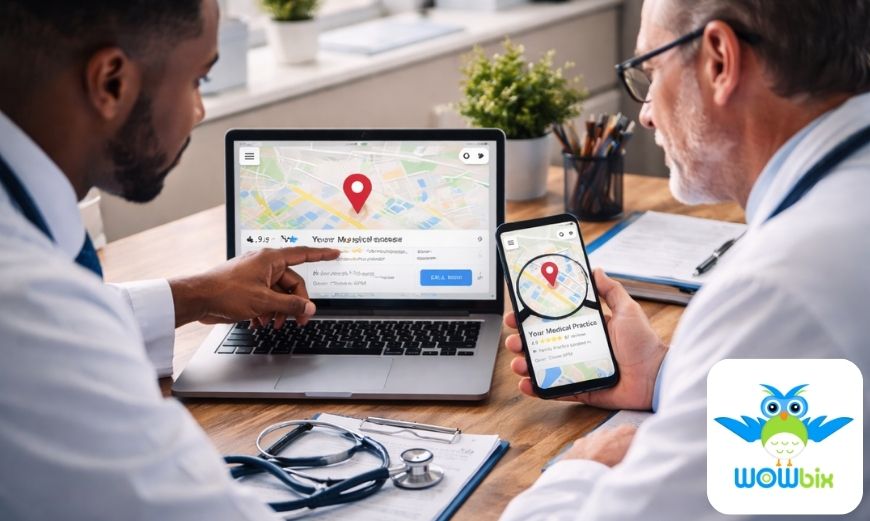
In today’s healthcare landscape, patients don’t just look in the phone book to find a doctor. They search Google. They read reviews on Healthgrades and Zocdoc. They check Google Maps to see who’s nearby. If your medical practice doesn’t show up in these places, you’re essentially invisible to patients who are actively seeking care.
This is especially critical in New Jersey, where competition among physicians is fierce. Whether you’re a solo practitioner in Bergen County or running a multi-specialty practice in Hudson County, SEO (search engine optimization) for doctors has become a necessity, not a luxury. New Jersey doctors who invest in proper SEO strategies rank higher, attract more qualified patients, and build stronger reputations online.
This comprehensive guide outlines everything you need to know about SEO for doctors in New Jersey, from technical foundations to local strategy execution to the unique regulations you need to follow.
Ready to improve your rankings but not sure where to start? Schedule a free SEO consultation with our healthcare marketing team. We’ll audit your current online presence, analyze your competition, and show you exactly what an effective SEO strategy looks like for your practice in New Jersey.
- Why SEO Matters for Doctors in New Jersey
- The Current State of Healthcare Search
- SEO Fundamentals for Medical Practices
- Technical SEO for Doctor Websites
- On-Page SEO for Medical Practices
- Local SEO Strategies for NJ Doctors
- Building Authority and Trust Signals
- Medical Content Strategy and E-E-A-T
- Legal and Compliance Considerations
- Common SEO Mistakes Doctors Make
- SEO Timeline and Realistic Expectations
- Working with SEO Experts vs. DIY
- Final Thoughts
Why SEO Matters for Doctors in New Jersey
Let’s start with the facts. According to recent studies, over
77% of patients use search engines to find healthcare providers
. In competitive urban and suburban markets like New Jersey, that percentage is likely higher. Your practice’s online visibility directly impacts new patient acquisition.
Here’s what happens when a potential patient searches for your services:
They search something like “cardiologist in Bergen County” or “dermatologist near me” or “ENT specialist accepting new patients New Jersey.”
Google returns results based on relevance, location, authority, and user experience signals.
The practices that appear in the top 3 positions and in the Google Maps pack get the majority of clicks.
If you’re not on the first page, you’re losing patients to competitors who are.
For New Jersey doctors, this is particularly urgent because:
Market saturation:
Densely populated areas like Bergen County, Hudson County, and Essex County have hundreds of practices competing for patient attention. Without a strong online presence, you’re just another name in the crowd.
Patient behavior:
New Jersey patients are digitally savvy and comparison shop. They read reviews, check credentials, and verify that you’re accepting new patients before calling.
Insurance and referral patterns:
Many insurance companies and employer wellness programs feature top-ranked doctors on their websites, which is determined partly by search visibility and online reputation.
Local competition is fierce:
Your competitors are already investing in SEO, website optimization, and reputation management. If you don’t, they will capture the patients looking for someone just like you.
The Current State of Healthcare Search
Google has made significant changes to how healthcare results are ranked, particularly with the introduction of helpful content updates and increased focus on
expertise, experience, authoritativeness, and trustworthiness (E-E-A-T)
.
For doctors and medical practices, this means:
- Credentials matter more. Google now heavily emphasizes whether the author of content is actually qualified to discuss medical topics. A board-certified cardiologist writing about heart disease will rank higher than generic health content.
- Patient reviews are crucial. Recent, authentic patient reviews on Google, Healthgrades, Zocdoc, and other platforms signal to both Google and potential patients that your practice is legitimate and delivers good results.
- Location is paramount. Local SEO (Google Business Profile optimization, local citations, location-specific pages) is often more important for doctors than broad national SEO. Patients want a provider nearby.
- Website quality is baseline. Your website must be fast, mobile-friendly, easy to navigate, and compliant with healthcare regulations (HIPAA, accessibility standards, etc.). Google penalizes slow or poorly designed medical websites.
- Content depth and accuracy. Generic, thin content doesn’t rank. Google wants detailed, medically accurate content that answers patient questions comprehensively. This is where E-E-A-T comes in.
SEO Fundamentals for Medical Practices
Before diving into tactics specific to doctors, understand the three pillars of SEO:
- Technical SEO: The backend structure and performance of your website. This includes site speed, mobile optimization, crawlability, indexing, SSL certificates, and structured data (schema markup). If your website’s foundation is weak, no amount of content will help you rank.
- On-Page SEO: The content, metadata, and user experience on individual pages. This includes keyword optimization, title tags, meta descriptions, heading structure, internal linking, and user engagement signals.
- Off-Page SEO: Signals from outside your website that indicate authority and trustworthiness. For doctors, this includes patient reviews, directory listings, local citations, backlinks from reputable healthcare sites, and social media presence.
All three work together. Neglect one, and your overall SEO suffers.
Technical SEO for Doctor Websites
Your medical practice website must be technically sound. Here’s what to audit and optimize:
Site Speed:
Google explicitly states that page speed is a ranking factor. Slow websites rank lower and lose patients to competitors with faster sites. Aim for page load times under 3 seconds on mobile.
Test your site at tools like Google PageSpeed Insights and GTmetrix. Common fixes include image optimization, caching, content delivery networks (CDNs), and removing unnecessary plugins.
Mobile Optimization:
More than 60% of healthcare searches now happen on mobile devices. Your website must look and function perfectly on phones and tablets. Google uses mobile-first indexing, meaning it evaluates and ranks your site primarily based on how it performs on mobile.
HTTPS and Security:
All medical websites must use HTTPS (SSL certificate). This is both a ranking factor and a legal requirement for protecting patient data.
XML Sitemap and Robots.txt:
These files help Google understand your site structure and which pages to crawl. Ensure both are properly configured.
Structured Data (Schema Markup):
This code tells search engines what information is on your page. For medical practices, key schema includes:
- LocalBusiness schema (practice name, address, phone, hours)
- Doctor/Physician schema (name, credentials, specialties)
- Service schema (services offered)
- AggregateRating schema (average patient rating)
Proper schema implementation helps Google display rich snippets in search results and increases click-through rates.
Indexing Issues:
Regularly check Google Search Console to ensure all important pages are indexed and no errors are preventing indexing.
On-Page SEO for Medical Practices
Once your site’s technical foundation is solid, optimize individual pages for search engines and users.
Keyword Research for Doctors:
Target keywords that match patient search intent. For a cardiologist in Paramus, New Jersey, relevant keywords might include:
- Cardiologist in Paramus
- Cardiologist in Bergen County
- Heart doctor near me
- Cardiac care New Jersey
- Best cardiologist accepting new patients
Use tools like Google Keyword Planner, Ahrefs, or SEMrush to identify realistic keywords with decent search volume and lower competition.
Avoid generic keywords.
A doctor’s website ranking for “cardiologist” nationally is nearly impossible and not valuable. Focus on location-specific and specialty-specific keywords.
Page Titles and Meta Descriptions:
These appear in search results and directly impact click-through rates.
Good title: “Cardiologist in Paramus, NJ | Dr. Sarah Johnson | Accepting New Patients”
Bad title: “Cardiology Services”
Good meta description: “Expert cardiological care in Paramus, New Jersey. Board-certified cardiologist, accepting new patients. Schedule your appointment today.”
Bad meta description: “Learn about cardiology services.”
Heading Structure:
Use H1, H2, and H3 tags properly. Typically, each page has one H1 (the main topic), multiple H2s (main sections), and H3s as needed.
Example H1: “Cardiologist in Paramus, NJ”
H2s might include: “About Dr. Johnson,” “Services Offered,” “Patient Reviews,” “Appointment Scheduling”
Content Quality and Length:
Medical content should be comprehensive and answer real patient questions. For most doctor pages, aim for 1,000-2,000+ words of quality content.
Include information like:
- Doctor’s background, credentials, and experience
- Specific services offered with detailed explanations
- Common patient questions and answers
- Insurance accepted
- Appointment booking information
- Office location, hours, and contact details
Internal Linking:
Link to relevant pages on your site. For example, a page about “Heart Disease Prevention” might link to “Cardiology Services” and “Schedule an Appointment.”
This helps users navigate and tells Google which pages are most important.
Local SEO Strategies for NJ Doctors
Local SEO is arguably the most important SEO channel for doctors. Most patients want a provider they can access locally.
Google Business Profile Optimization:
This is your single most powerful local SEO tool.
Claim your profile at google.com/business if you haven’t already. Ensure:
- Practice name, address, and phone number (NAP) are 100% accurate
- Your primary service category is correct (e.g., “Cardiologist” not “Medical Practice”)
- Hours are accurate, including holidays
- You’ve added photos (office exterior, interior, staff, practice in action)
- Your description clearly explains what you do
- You list all relevant service areas
More importantly, actively manage your profile by:
- Responding to all patient reviews (both positive and negative)
- Regularly posting updates about services, health tips, or special announcements
- Adding high-quality photos regularly
Google Business Profile is heavily weighted in local search rankings. A well-maintained profile can dramatically improve your visibility.
Building Local Citations:
A citation is a mention of your practice’s NAP (name, address, phone number) on other websites. Citations build local authority and improve rankings.
Key citation sources for NJ doctors:
- Healthgrades
- Zocdoc
- Vitals
- Yelp
- Apple Maps
- Your local chamber of commerce
- Hospital directories (if affiliated)
- Insurance provider directories
- Medical association directories
Ensure all citations have consistent, accurate information. Inconsistencies confuse Google and hurt rankings.
Location-Specific Pages:
If you serve multiple towns or areas, create dedicated pages for each location. For example:
- Cardiology Services in Paramus
- Cardiology Services in Ridgewood
- Cardiology Services in Fair Lawn
Each page should have location-specific content, local keywords, and calls-to-action relevant to that area.
Local Keywords in Your Content:
Naturally incorporate location and service keywords. A cardiologist in Bergen County might write blog posts like “Common Heart Problems We Treat in Bergen County” or “Why Choose a Local Cardiologist in New Jersey.”
Building Authority and Trust Signals
Google’s E-E-A-T framework (Expertise, Experience, Authoritativeness, Trustworthiness) is particularly important for healthcare.
Patient Reviews and Ratings:
Reviews are a major trust signal. Actively encourage satisfied patients to leave reviews on Google, Healthgrades, and other platforms.
Best practices:
- Ask for reviews during or after appointments
- Make the process easy (provide direct links)
- Never incentivize fake reviews (this violates platform rules)
- Respond professionally to all reviews, including negative ones
- Address concerns raised in negative reviews to show responsiveness
Doctor Credentials and Bio:
Clearly display your credentials on your website. Include:
- Board certifications (and which board)
- Medical school and residency information
- Years of experience
- Specialties and sub-specialties
- Any research, publications, or speaking engagements
This demonstrates expertise and builds trust.
Backlinks from Authority Sites:
Backlinks from reputable healthcare organizations, hospitals, medical associations, and news outlets signal authority to Google.
Ways to build healthcare backlinks:
- Submit articles to healthcare publications
- List your practice with local and state medical societies
- Partner with local hospitals and clinics (they may link to you)
- Get featured in local news stories about health topics
- Contribute expert commentary to health blogs and websites
Associations and Memberships:
Display memberships in professional organizations (AMA, specialty boards, etc.). This validates your expertise.
Transparent Contact Information:
Make it easy for patients to contact you. Include phone number, address, hours, appointment booking links, and patient portal access. Transparency builds trust.
Medical Content Strategy and E-E-A-T
Creating a content strategy specifically for healthcare requires careful attention to medical accuracy and expertise.
Blog and Educational Content:
Publishing helpful, medically accurate content serves multiple purposes:
- Answers patient questions (helping with SEO)
- Establishes you as an authority in your field
- Provides shareable content for social media
- Builds internal linking opportunities
Blog topics for doctors might include:
- Common conditions you treat
- Prevention and wellness tips
- Latest treatment options
- Patient success stories (with permission and privacy)
- Questions patients frequently ask
Author Bylines and Credentials:
Always attribute medical content to the doctor or healthcare provider who wrote or reviewed it. Include their credentials and photo. This strengthens E-E-A-T.
Medical Accuracy and Review:
All healthcare content should be reviewed for accuracy before publishing. If you’re using AI tools to generate content, a physician must review and approve it before publication.
Inaccurate or misleading medical information damages your reputation and can hurt rankings.
Freshness and Updates:
Healthcare information changes. Review and update older blog posts and service pages regularly to ensure information is current.
Legal and Compliance Considerations
SEO for doctors comes with important legal and regulatory considerations.
HIPAA Compliance:
Never share patient information or identifiable patient stories without explicit written consent. This is both a legal requirement and an ethical one.
Truth in Advertising:
Don’t make false claims about experience, credentials, or success rates. Medical boards and the FTC take deceptive marketing seriously.
Avoiding Prohibited Claims:
Don’t claim to “cure” or “treat” conditions unless scientifically supported. Be careful with language around off-label uses of medications or treatments.
Review Authenticity:
Don’t buy fake reviews or encourage family to leave reviews. Platforms actively detect and remove fake reviews, and discovery of this practice damages reputation and can result in penalties.
Website Accessibility:
Ensure your website complies with WCAG 2.1 accessibility standards. This is increasingly a legal requirement and a ranking factor.
Patient Privacy on Public Platforms:
Be cautious about what you post on social media. Avoid identifying patients, discussing specific cases, or sharing any protected health information.
Common SEO Mistakes Doctors Make
Avoid these pitfalls that many medical practices fall into:
Neglecting Mobile:
Doctors often focus on making their website look good on desktop and forget mobile users make up the majority of traffic. Google penalizes this.
Keyword Stuffing:
Overusing keywords in an attempt to rank (“Dr. Johnson is a cardiologist, heart doctor, cardiac specialist, cardiologist”) looks spammy and hurts rankings.
Low-Quality Content:
Generic, thin content written primarily for search engines rather than patients doesn’t rank well and doesn’t convert. Focus on quality and patient value.
Slow Website:
A slow medical website loses patients. Performance matters.
Outdated Information:
Patient information sections with outdated hours, old staff photos, or incorrect insurance listings hurt trust and SEO.
Ignoring Reviews:
Never respond to patient reviews or actively generate new ones. This is a missed ranking opportunity and trust-building opportunity.
Using Non-Medical Content:
Automated health content from content farms or AI without physician review is inaccurate and harms credibility.
Poor Local Citations:
Inconsistent or incomplete citations across directories confuse Google and hurt local rankings.
No Schema Markup:
Missing structured data means Google can’t fully understand your practice information.
SEO Timeline and Realistic Expectations
How long does SEO take in New Jersey to work for doctors
? This is the question every physician asks, and the answer depends on your specific situation.
Competitive Markets:
In dense New Jersey areas with many competing doctors, expect 6 to 12 months to see meaningful rankings improvements for competitive keywords.
Less Competitive Markets:
In smaller towns with fewer competing practices, you might see results in 3 to 6 months.
New Practices:
Brand-new medical practices often need 6 to 12 months to build enough authority and citations to rank competitively.
Established Practices:
Practices with an existing online presence and domain history may see results in 3 to 6 months.
What Timeline Usually Looks Like:
- Months 1-2: Technical fixes, citation building, profile setup
- Months 2-4: Early keyword rankings, visibility improvements, increased impressions in Search Console
- Months 4-8: More rankings climbing, organic traffic increasing, new patient inquiries growing
- Months 8-12: Stronger authority, improved rankings for competitive keywords, sustainable patient acquisition
Don’t expect instant results.
Anyone promising rankings in 30 days is making false claims.
Working with SEO Experts vs. DIY
Should you handle SEO yourself or hire a
?
DIY Challenges:
- SEO requires ongoing effort and constant learning
- Medical SEO has unique regulatory and content accuracy requirements
- It takes time away from patient care
- Mistakes can be costly and damage your reputation
- You save money, hiring an SEO specialist can cost anywhere between $1,000 to $5,000/month
Benefits of Hiring Healthcare SEO Experts:
- Experience with medical compliance and E-E-A-T requirements
- Ongoing optimization and monitoring
- Faster, more professional results
- Peace of mind that everything is handled correctly
For most doctors, hiring a dedicated
is more cost-effective than attempting it alone. A qualified healthcare SEO specialist will:
- Audit your current online presence
- Develop a customized strategy for your specialty and location
- Implement technical and content improvements
- Build your local citations and Google Business Profile
- Create medically accurate, SEO-optimized content
- Monitor rankings and adjust tactics based on results
- Provide regular reporting and transparency
Final Thoughts
SEO for doctors in New Jersey is not optional in 2026. Patients are searching for healthcare providers online, and if you’re not visible, they’re finding your competitors instead. A comprehensive SEO strategy combining technical optimization, local SEO, content marketing, and reputation management is essential for modern medical practices.
The doctors who invest in proper SEO now—focusing on medical accuracy, patient trust, and local visibility—will dominate their markets and attract a steady stream of qualified new patients for years to come.
Ready to improve your medical practice’s online visibility? Contact the
healthcare marketing experts at WOWbix today
for a free SEO consultation tailored to your specialty and location
Aesthetic and cosmetic practices in New Jersey can also review the
best SEO agencies for med spas in 2026
for niche-specific agency options.